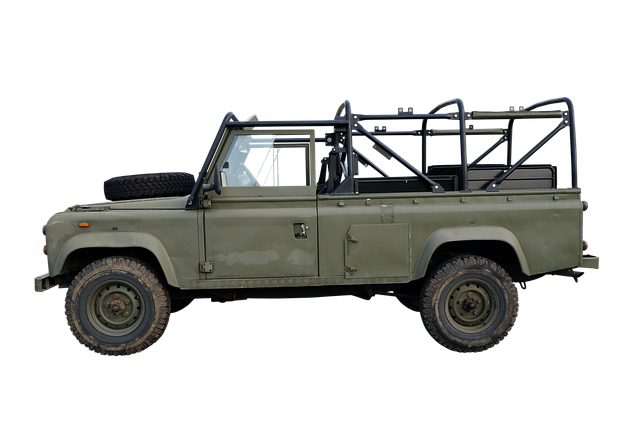








In the bustling landscape of Brownsville, Texas, where cargo transportation is a vital cog in the region’s economy, maintaining safe and reliable commercial vehicles is paramount. Among the critical components ensuring these fleet trucks’ integrity are robust truck bed rails. This article delves into the significance of fleet truck bed rails, particularly focusing on tire replacement services, and how they contribute to the operational excellence of businesses in Brownsville and beyond.
Understanding Fleet Truck Bed Rails: A Foundation for Safety
The Essential Role of Truck Bed Rails
Fleet truck bed rails serve as the backbone of a vehicle’s cargo management system. These metal or aluminum structures are securely attached to a truck’s bed, providing a sturdy platform for loading and securing cargo. Their primary function is to prevent load shift during transit, ensuring drivers’ safety and the integrity of the shipment.
Benefits for Brownsville Businesses
In the dynamic environment of Brownsville’s transportation sector, where trucks frequently traverse long distances and diverse terrains, robust truck bed rails are non-negotiable. They:
-
Mitigate Risk: By securely holding cargo in place, these rails reduce the risk of load displacement, preventing potential accidents and damage to goods.
-
Improve Efficiency: Efficient cargo management increases loading and unloading speeds, allowing fleets to make more trips and deliver goods faster.
-
Enhance Vehicle Lifespan: Properly secured beds extend the life of a truck’s body by preventing excessive wear and tear caused by shifting loads.
Fleet Truck Bed Rails Brownsville: Tire Replacement Services
The Importance of Regular Tire Maintenance
Tires are the point of contact between a fleet vehicle and the road, making them a critical component in ensuring safe and efficient operations. For trucks equipped with robust bed rails in Brownsville, regular tire maintenance is essential for several reasons:
-
Safety: Worn or damaged tires can lead to loss of control and accidents. Regular checks identify issues early, enhancing driver safety.
-
Fuel Efficiency: Underinflation and old tires decrease fuel efficiency, impacting the bottom line. Tire replacement services keep fleets running smoothly and economically.
-
Regulatory Compliance: Many industries have regulations regarding tire conditions. Consistent maintenance ensures compliance, avoiding legal repercussions.
Expert Tire Replacement Services in Brownsville
Brownsville’s thriving transportation industry has fostered a robust network of service providers specializing in fleet truck bed rails and tire replacement. These experts offer:
-
Mobile Services: They can come to the fleet’s location, saving time and effort by eliminating the need for vehicles to travel to a service center.
-
Quick Turnaround Times: Efficient processes ensure trucks are back on the road promptly, minimizing downtime.
-
Comprehensive Tire Inventory: From light duty to heavy-duty tires, these providers stock a wide range of options to suit various fleet needs.
Streamlining Tire Replacement Processes
Modern tire replacement services leverage technology to streamline operations:
-
Digital Inspection Tools: Advanced scanners quickly identify tire issues, providing accurate data for maintenance decisions.
-
Inventory Management Software: Digital systems track tire stock levels, ensuring availability when needed.
-
Real-Time Communication: Efficient communication between service technicians and dispatchers ensures smooth, well-coordinated operations.
Implementation Strategies: Maximizing Fleet Truck Bed Rails Benefits
Step-by-Step Guide to Optimal Tire Management
-
Regular Inspection: Establish a schedule for thorough tire inspections, including bed rail checks, to identify potential issues early.
-
Maintain Pressure: Ensure tires are inflated to the recommended PSI (pounds per square inch) to optimize performance and fuel efficiency.
-
Rotate Tires Regularly: Implement a tire rotation program to distribute wear evenly, extending tire life and maintaining safety standards.
-
Document Maintenance: Keep detailed records of tire replacements, inspections, and repairs for easier tracking and future reference.
Training Employees: The Human Element
-
Safety First: Provide comprehensive training on recognizing tire hazards and safe handling procedures to all employees involved in vehicle maintenance.
-
Bed Rail Familiarization: Educate staff about the importance of bed rails and how they contribute to overall fleet safety.
-
Emergency Response: Train personnel to recognize and respond to critical situations, such as blowouts or bed rail malfunctions.
Utilizing Technology for Enhanced Efficiency
-
Tire Monitoring Systems: Implement telematics devices that track tire performance, providing valuable data for maintenance planning.
-
Fleet Management Software: Utilize digital tools to manage vehicle locations, maintenance schedules, and fuel efficiency, offering a holistic view of fleet operations.
-
Remote Diagnostics: Some advanced systems allow remote monitoring of truck beds and tires, enabling proactive maintenance.
Frequently Asked Questions (FAQs)
Q: How often should I replace my fleet’s tires?
A: Regular tire replacements depend on various factors, including vehicle usage, terrain, and driving conditions. As a general guideline, inspect tires monthly and plan for full replacements every 2-4 years, or when tread depth reaches the legal minimum.
Q: What are the signs that my truck bed rails need maintenance?
A: Bed rail wear is often evident through visual inspection. Look for signs of corrosion, cracks, bent rails, or loose connections. Regular maintenance includes lubricating hinges and replacing worn components to ensure optimal functionality.
Q: Can I handle tire replacements in-house, or should I hire professionals?
A: While some basic tire changes can be performed in-house, complex repairs, especially for fleet vehicles, are best left to seasoned professionals. Their expertise ensures faster, safer, and more cost-effective solutions, minimizing downtime.
Q: How do I choose the right tires for my Brownsville fleet?
A: Consider factors like vehicle weight, intended use (local vs. long-haul), terrain, and fuel efficiency. Consult with tire specialists who can guide you in selecting the ideal tire types and brands tailored to your specific needs.
Q: What role does tire pressure monitoring play in fleet management?
A: Tire Pressure Monitoring Systems (TPMS) are crucial for maintaining optimal tire performance. They alert drivers to underinflation, reducing fuel consumption and enhancing safety by minimizing the risk of tire failures.
Conclusion: Securing a Competitive Edge through Fleet Truck Bed Rails
In the competitive landscape of commercial transportation, investing in fleet truck bed rails and dedicated tire replacement services is not just a maintenance choice; it’s a strategic decision. By embracing these solutions, businesses in Brownsville can:
-
Enhance driver safety by ensuring secure cargo loads.
-
Improve operational efficiency through reduced downtime and faster turnaround times for tire replacements.
-
Minimize environmental impact by extending tire life, leading to lower disposal costs.
-
Comply with industry regulations, avoiding penalties and ensuring legal adherence.
With a well-maintained fleet, Brownsville’s transportation sector can continue to thrive, connecting communities and facilitating economic growth while adhering to the highest safety standards.